

Bonding Neodymium Magnets. Everything You Need to Know!
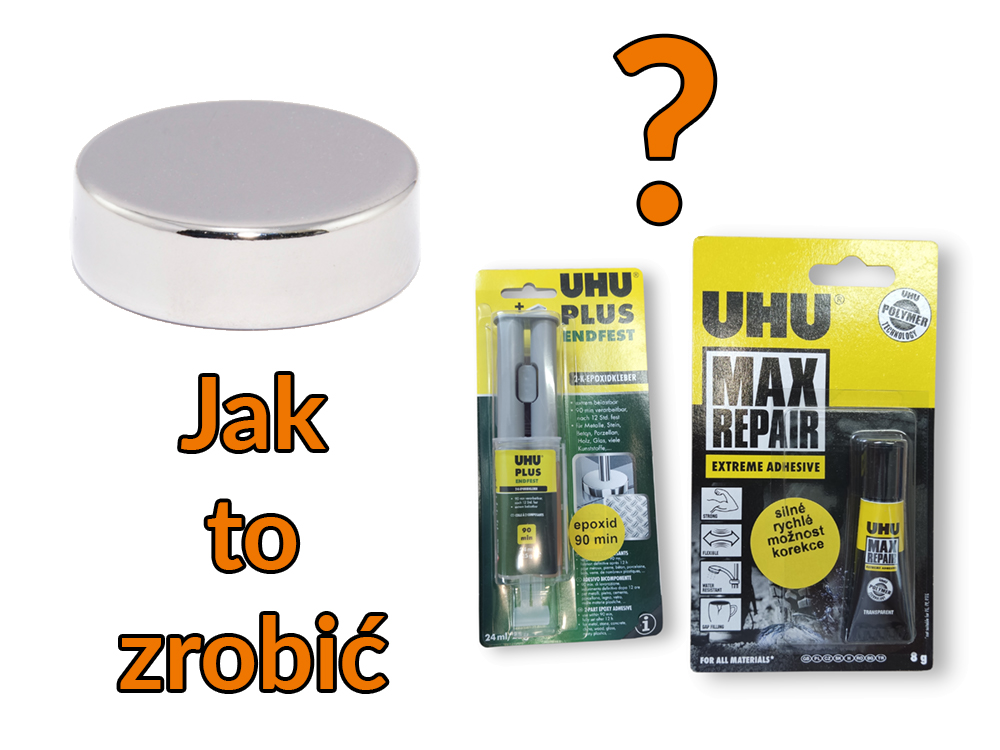
Neodymium magnets are among the strongest magnets available and are widely used in many areas of life. Their unique magnetic properties make them indispensable in various DIY projects, electronics, model-making, and even in industry. In this article, we'll discuss how to choose the right adhesives for magnets, how to prepare surfaces for bonding and what mistakes to avoid during this process. In addition, you'll learn how to attach magnets to various materials, such as wood, metal, glass, ceramics, plastic, and fabric.
How do you choose the right adhesive for neodymium magnets?
Choosing the right adhesive for neodymium magnets is crucial for ensuring a durable and strong bond. As long as it makes no difference whether we want to stick plate magnets, magnetic holder with a hook or magnetic clamps with external threads, That is why choosing the right adhesive is extremely important. There are many types of adhesives available on the market, but not all of them are suitable for bonding magnets. Here are a few types of adhesives worth considering:
- Epoxy adhesives: These are two-component adhesives that, when mixed, form a very strong bond. Epoxy adhesives are resistant to moisture and temperature, making them ideal for outdoor and industrial applications.
- Cyanoacrylate adhesives (superglue): These are single-component adhesives that set quickly. They are perfect for bonding small surfaces, but may be less effective with larger magnets due to their brittleness.
- Polyurethane adhesives: These adhesives form a flexible bond and are water-resistant. They are good for gluing magnets to porous materials, such as wood or fabric.
- Silicone adhesives: They are flexible and heat-resistant, but their bond strength may be lower compared to epoxy and cyanoacrylate adhesives.
When choosing an adhesive, it’s important to consider several factors, such as the type of surface to which the magnet will be attached, the conditions under which the adhesive will have to perform (humidity, temperature), and the expected strength of the bond. It’s also a good idea to stock up on certain items that will keep us safer and allow us to work comfortably, np. work gloves.
How do you properly attach magnets?
To attach neodymium magnets properly, follow these key steps:
- Preparing the surface for bonding magnets: The surfaces to be bonded must be clean, dry, and free of grease and other contaminants. For metal and glass, it’s a good idea to use a solvent to thoroughly clean the surface. For wood or plastic, you can gently sand the surface with sandpaper to improve the adhesive's grip.
- Applying the adhesive: Apply a thin, even layer of adhesive to both surfaces. Be sure not to use too much glue, as this may cause it to leak out when you press the magnet into place.
- Pressing and Setting: After applying the adhesive, press the magnet firmly against the surface for a few minutes to ensure it adheres well. For epoxy and polyurethane adhesives, the drying time can be several hours, so it's a good idea to secure the joint, for example, with adhesive tape or a clamp.
- Drying time: Allow the adhesive to dry completely according to the manufacturer's instructions. With some adhesives, this can take up to 24 hours.
What kinds of surfaces can neodymium magnets be attached to?
Neodymium magnets can be attached to various surfaces, including wood, metal, glass, ceramics, plastic, and fabric. However, each of these materials requires a different approach to bonding. Below are detailed instructions for attaching magnets to various surfaces.
Gluing Magnets to Wood
Gluing magnets to wood is relatively simple because wood is a porous material that adheres well to many types of adhesives. For best results:
- Surface Preparation: Make sure the wood is dry and clean. You can use sandpaper to roughen the surface and improve the adhesive's grip.
- Choosing an adhesive: Epoxy and polyurethane adhesives are the best choice for bonding magnets to wood. They can provide a strong and durable connection.
- Applying adhesive and pressing: Apply glue to the magnet and the wood, then press them together for a few minutes. Let it dry for at least 24 hours.
Bonding Magnets to Metal
Metal is one of the easiest materials to bond with neodymium magnets, due to its natural magnetic properties.
- Surface Preparation: Thoroughly clean the metal to remove grease, rust, and other contaminants. Use a solvent to ensure the surface is clean.
- Choosing an adhesive: Epoxy and cyanoacrylate adhesives are best for bonding magnets to metal. They can provide a very strong connection.
- Applying adhesive and pressing: Apply glue to the magnet and the metal, then press them together for a few minutes. Let it dry for at least 24 hours.
Bonding Magnets to Glass and Ceramic Surfaces
Glass and ceramics are smooth, non-porous materials, which can make it challenging to attach magnets to them.
- Surface Preparation: Make sure the surface is clean and dry. You can use isopropyl alcohol to degrease the surface.
- Choosing an Adhesive: Epoxy and silicone adhesives are best for bonding magnets to glass and ceramics. They provide good traction and flexibility.
- Applying adhesive and pressing: Apply glue to the magnet and the glass or ceramic, then press them together for a few minutes. Let it dry for at least 24 hours.
Bonding Magnets to Plastic
Bonding magnets to plastic can be difficult because some types of plastic have low surface energy, which makes it hard for the adhesive to bond properly.
- Surface Preparation: Make sure the surface is clean and dry. You can lightly sand the surface with sandpaper to improve the adhesive's grip.
- Choosing an adhesive: Cyanoacrylate and epoxy adhesives are best for bonding magnets to plastic. These adhesives form a strong bond.
- Applying adhesive and pressing: Apply glue to the magnet and the plastic, then press them together for a few minutes. Let it dry for at least 24 hours.
Bonding Magnets to Fabrics and Textiles
Attaching magnets to fabrics and textiles can be challenging due to the elasticity and porosity of these materials.
- Surface Preparation: Make sure the fabric is clean and dry. You can iron the fabric to remove any wrinkles.
- Choosing an adhesive: Polyurethane adhesives and fabric adhesives are best for bonding magnets to fabrics. They provide a flexible and durable connection.
- Applying adhesive and pressing: Apply glue to the magnet and the fabric, then press them together for a few minutes. Let it dry for at least 24 hours.
Mistakes to Avoid When Bonding Magnets
When gluing neodymium magnets, it's a good idea to prepare properly to achieve the best possible results. Below is a list of the most common mistakes made when gluing magnets:
- Inadequate surface preparation: Dirty or greasy surfaces significantly reduce the adhesive's tack. Always clean the surface thoroughly before gluing.
- Use of the wrong adhesive: Choosing an adhesive with poor adhesion to a given material can cause the magnet to come off easily.
- Too much glue: Applying too much adhesive can cause it to leak and create unsightly stains. It may also weaken the connection.
- Insufficient clamping force: If the magnet is not pressed firmly enough against the surface, the connection may not be strong enough.
- Drying time is too short: Always allow the adhesive to dry completely, following the manufacturer's instructions. Using the bonded part too soon can weaken the bond.
Care and Maintenance of Bonded Magnets
To ensure that glued neodymium magnets last a long time, it’s a good idea to follow a few guidelines for their care and maintenance:
- Avoiding extreme temperatures: Neodymium magnets are sensitive to high temperatures, which can weaken their magnetic properties. Avoid exposing them to extreme temperatures.
- Avoiding moisture: Neodymium magnets can corrode in humid conditions, which weakens both the magnet and the adhesive. Store them in a dry place.
- Regularly check the connections: It's a good idea to check the condition of glued joints regularly and repair them as needed.
- Handle with care: Avoid subjecting the joined magnets to strong impacts or excessive forces that could damage the connection.
Bonding neodymium magnets can be a challenging process, but with proper preparation and the use of the right techniques, you can achieve a durable and strong bond. By following the tips above, you'll be able to successfully attach magnets to various surfaces and enjoy their unique properties for a long time.