

How to Store Magnets Properly? The 5 Most Important Rules!

Magnets are extremely useful tools that are used in many areas of our lives, from electronics to medicine. Their magnetic pull can be impressive, but it's just as important to store them properly. Storing magnets safely is not only a matter of the magnet's longevity, but also of our safety. In this article, we will discuss five key principles that should be followed when storing magnets to ensure their durability and minimize the risk of dangerous situations.
Rule #1 - Keep magnets apart
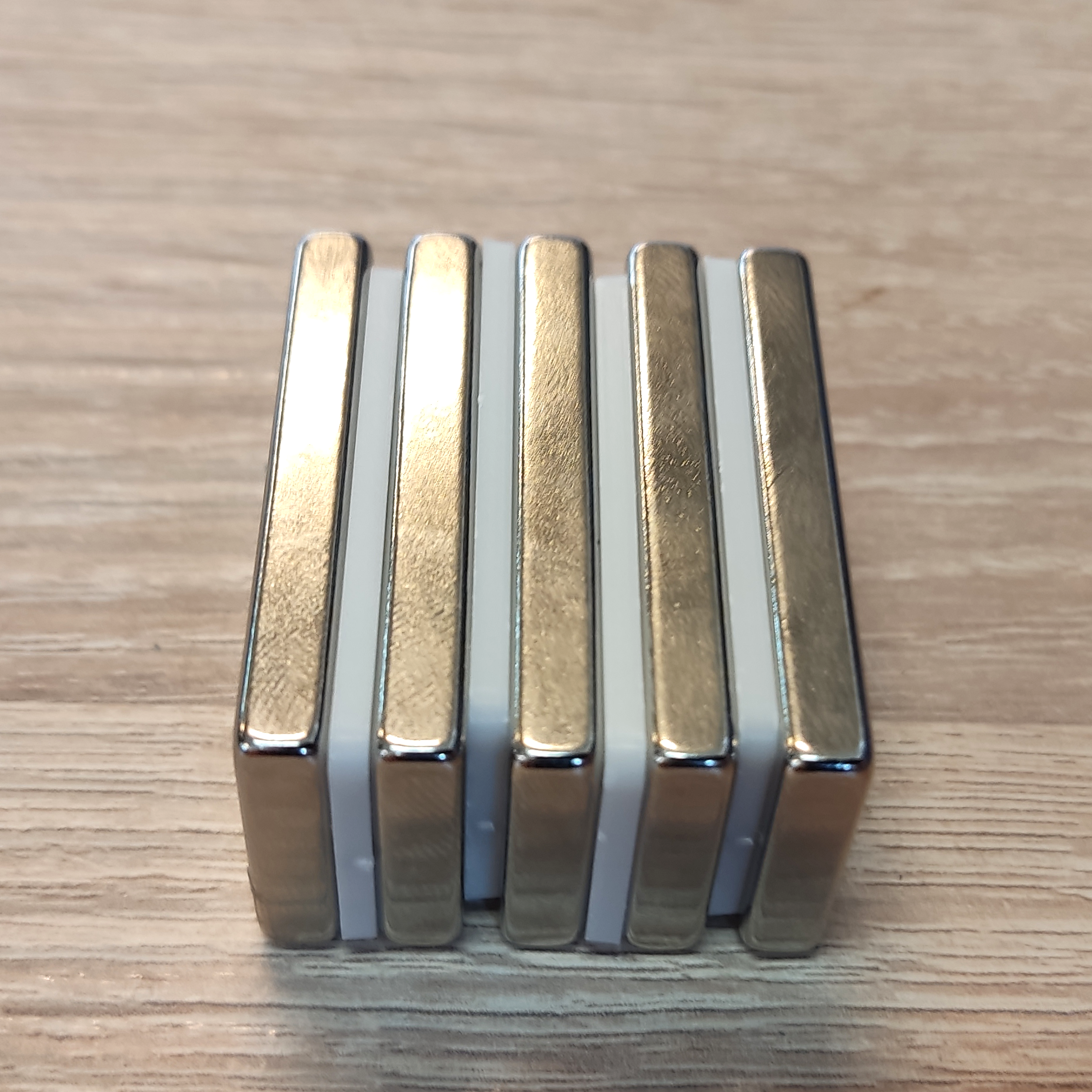
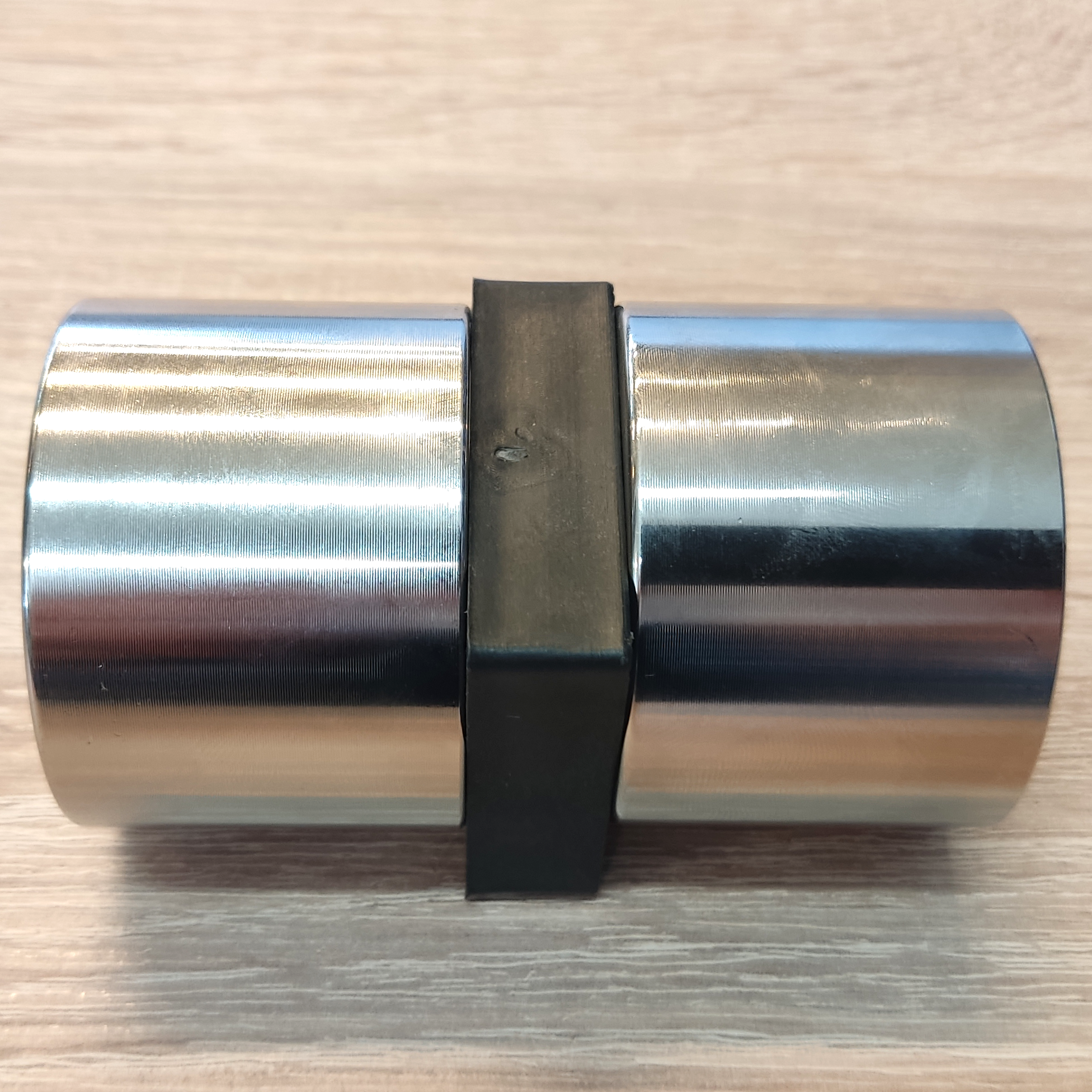
The first and most important rule is to maintain a distance between the magnets. Magnets with strong magnetic force may stick together in a way that makes them difficult to separate, which can lead to damage. Avoid placing magnets close to each other, especially those with strong magnetic fields. It's a good idea to use special magnetic separators, which will help maintain a distance between the magnets and minimize the risk of accidental contact. Our magnets are separated from one another by plastic spacers, which prevent them from sticking together. These dividers make it much easier to separate individual magnets from the rest later on.
Rule #2 - Avoid collisions and falls
Magnets are susceptible to mechanical damage. Violent impacts and falls can cause pieces of the magnet to break off or weaken its magnetic properties. To prevent this risk, keep magnets away from places where they might be accidentally knocked over or struck. When choosing a storage location, consider stability and protection against shocks, but above all, check for the presence of metal parts. It often happens that magnets placed, for example, on a table are pulled toward metal objects that are accidentally placed on the table or embedded in it..

Rule No. 3 - Protection Against Temperature Effects
Temperature can significantly affect the properties of magnets. High temperatures can cause a loss of magnetism, while sudden temperature changes can cause the magnets to crack. Store magnets away from heat sources, such as radiators or stoves, and avoid placing them in areas subject to large temperature fluctuations. Standard neodymium magnets They permanently lose their properties at temperatures above 80 degrees Celsius, while ferrite loses its properties at temperatures above 250 degrees Celsius. Magnets with enhanced temperature resistance are available on the market; in our store, these magnets are marked with the letter "H" next to the material designation, e.g., MPŁ 25x6x2.4 / N38H – neodymium magnet. These neodymium magnets can be used at temperatures up to 120 degrees Celsius Celsius.
Rule No. 4 - Protection Against Moisture and Corrosion
Moisture can cause corrosion of the magnets, which will weaken their structure and magnetic properties. That is why it is important to store magnets in a dry place, away from sources of moisture, such as swimming pools or damp basements. If the magnets are exposed to moisture, you should consider protecting them with appropriate protective coatings. Ferrite magnets also known as ceramic magnets, are resistant to corrosion and various acids, salts, and bases, but neodymium magnets are highly susceptible to these types of substances. The coating on neodymium magnets consists of a layer of nickel, copper, and then nickel again, which helps prevent rust to some extent but does not provide a 100% guarantee. In environments where they are exposed to moisture, however, you can use magnets with a rubber coating.

Rule #5 - Be careful with neodymium magnets
Neodymium magnets are among the strongest magnets available on the market. Their powerful magnetic field can cause the magnets to come into contact with each other suddenly and in a way that is difficult to control. Keep neodymium magnets away from metal objects and other magnets. If you need to separate them, use the appropriate tools or guards. Also, avoid leaving magnets near electronic devices or magnetic cards; prolonged exposure to magnets can damage them.
In summary, proper storage of magnets is a key aspect of ensuring their durability and our safety. Maintaining proper distances between magnets, avoiding mechanical damage, monitoring temperature and humidity, and exercising caution when handling neodymium magnets are the guidelines that will help us enjoy their functionality for many years to come. Let's be aware of potential risks and follow these simple but important tips to keep our magnets in top condition.